Water, Oceans and Water Resources
Lesson Plans
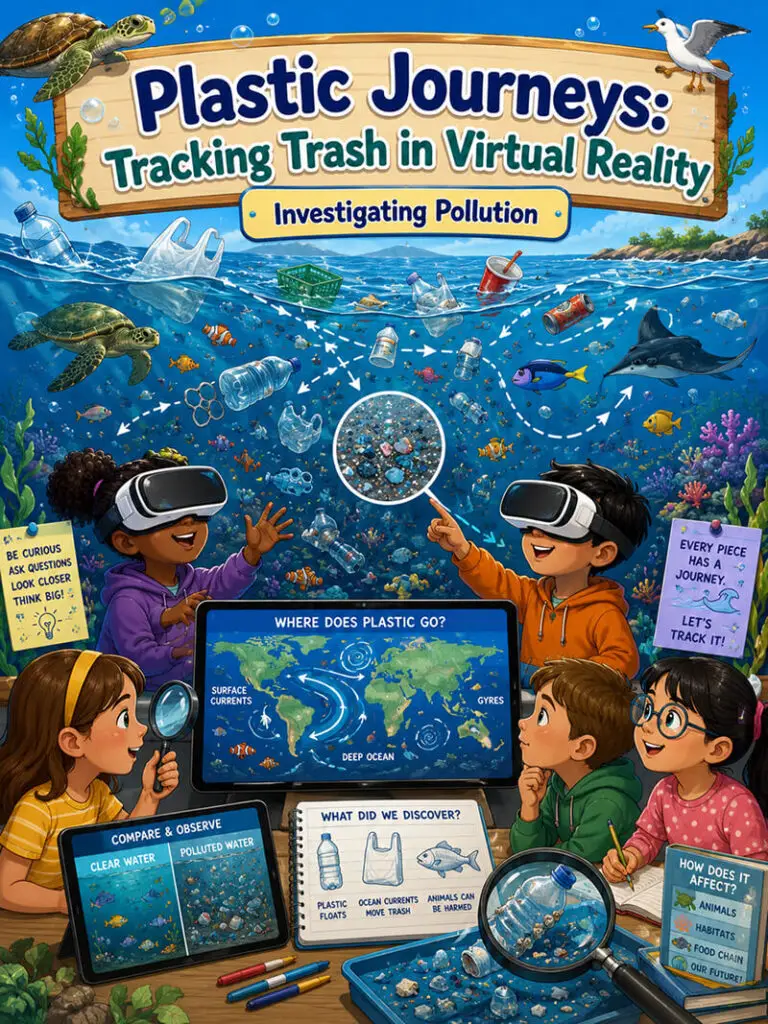
3. Plastic Journeys: Tracking Trash in Virtual Reality (investigation pollution)
Students explore recycling and pollution through immersive storytelling from the perspective of discarded objects. They use VR scenes and creative expression to build empathy, understand recycling choices and redesign a more sustainable ending.
VR module recommended
- Thingvellir Explorers in Virtual Reality: Investigating Biodiversity, Geology and Conservation
- Safe Water mission: Together we protect life
- Every drop counts: inmersive journey through water purification and reuse
- Biofactory Mission: Treating wastewater to generate green energy and resources for a sustainable planet
Subjects involved
- English
- Science
- Technology
- Environmental Education
- Art
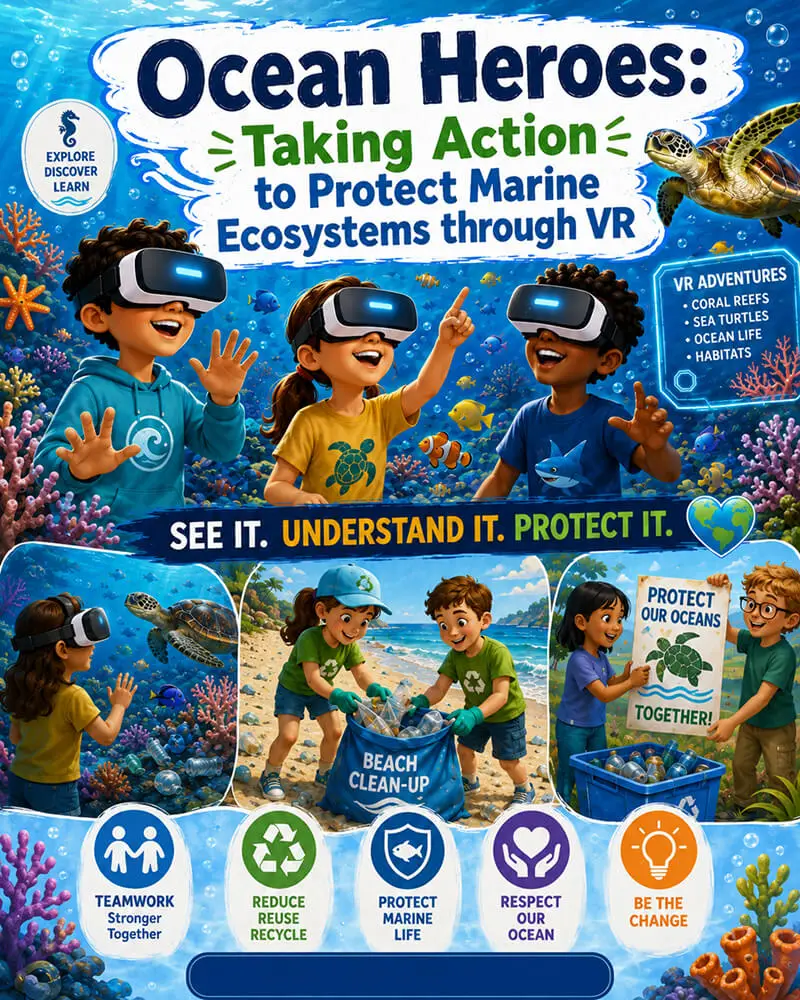
4. Ocean Heroes: Taking Action to Protect Marine Ecosystems through VR
Students become Ocean Heroes by exploring marine ecosystems in VR, identifying pollution threats and designing realistic actions to protect oceans. The lesson combines environmental education, English communication, collaboration and creative project work.
VR module recommended
- Guardians of the Sea: a inmersive journey throught the biodiversity of the Galician atlantic Islands
- Thingvellir Explorers in Virtual Reality: Investigating Biodiversity, Geology and Conservation
Subjects involved
- English
- Environmental Education
- Science
- ICT
- Art

6. Plastic Journeys: Tracking Trash in Virtual Reality (Human role in polution)
Young learners follow the journey of plastic waste from the school environment to drains, rivers and the ocean. Through storytelling, VR and creative teamwork, they understand cause-and-effect relationships and propose cleaner futures.
VR module recommended
- Guardians of the Sea: a inmersive journey throught the biodiversity of the Galician atlantic Islands
- Safe Water mission: Together we protect life
- Every drop counts: inmersive journey through water purification and reuse
- Biofactory Mission: Treating wastewater to generate green energy and resources for a sustainable planet
- A Trip Around Sustainable Cities
Subjects involved
- English
- Science
- Technology
- Environmental Education
- Art

29. Where Does Our Food Come From? The Environmental Footprint of Products
Students analyse food origins, production systems and environmental footprints, including CO2 emissions and food miles. VR visits, data analysis and group projects help learners compare sustainable choices and understand agriculture's social dimensions.
VR module recommended
- Between Ropes and Tides: An Immersive Journey to a Mussel Farm
Subjects involved
- Biology
- Geography
- Chemistry
- ICT
- Technology
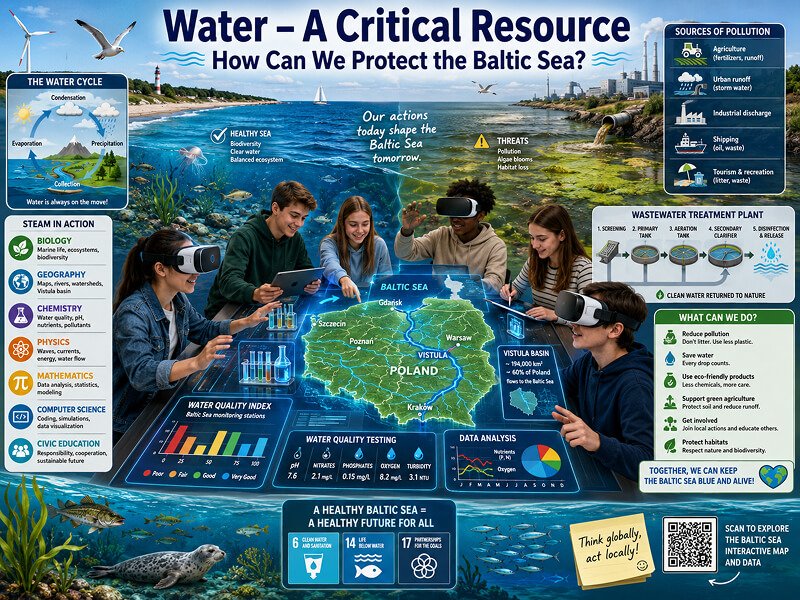
30. Water – A Critical Resource. How Can We Protect the Baltic Sea?
Students investigate water as a critical resource and analyse Baltic Sea pollution, eutrophication and wastewater treatment. VR and STEAM activities support data interpretation, civic responsibility and proposals for protecting marine environments.
VR module recommended
- Guardians of the Sea: a inmersive journey throught the biodiversity of the Galician atlantic Islands
- Thingvellir Explorers in Virtual Reality: Investigating Biodiversity, Geology and Conservation
- Safe Water mission: Together we protect life
- Every drop counts: inmersive journey through water purification and reuse
- Biofactory Mission: Treating wastewater to generate green energy and resources for a sustainable planet
Subjects involved
- Biology
- Geography
- Chemistry
- physics
- mathematics
- computer science
- civic education
32. The Planet's Engine: Ocean-Atmosphere Interaction & Climate Change
Students act as climate scientists and policy makers to investigate ocean-atmosphere interactions, carbon sinks, warming, sea-level rise and biodiversity change. VR expeditions, data interpretation and storytelling support climate mitigation and adaptation thinking.
VR module recommended
- Guardians of the Sea: a inmersive journey throught the biodiversity of the Galician atlantic Islands
- Thingvellir Explorers in Virtual Reality: Investigating Biodiversity, Geology and Conservation
Subjects involved
- Physics & Chemistry (thermal expansion, gas solubility and water density/salinity gradients).
- Maths (Statistical analysis of temperature, rise and modeling sea-level projections using VR data points).
- Social Sciences (Exploring Climate Justice, the gendered impact of migration, and the history of maritime trade). Technology / ICT(3D modeling of coastal defenses, and using AI for environmental monitoring)
- Languaje (Analyzing climate rhetoric, writing "speculative fiction" from a female perspective in a flooded future)
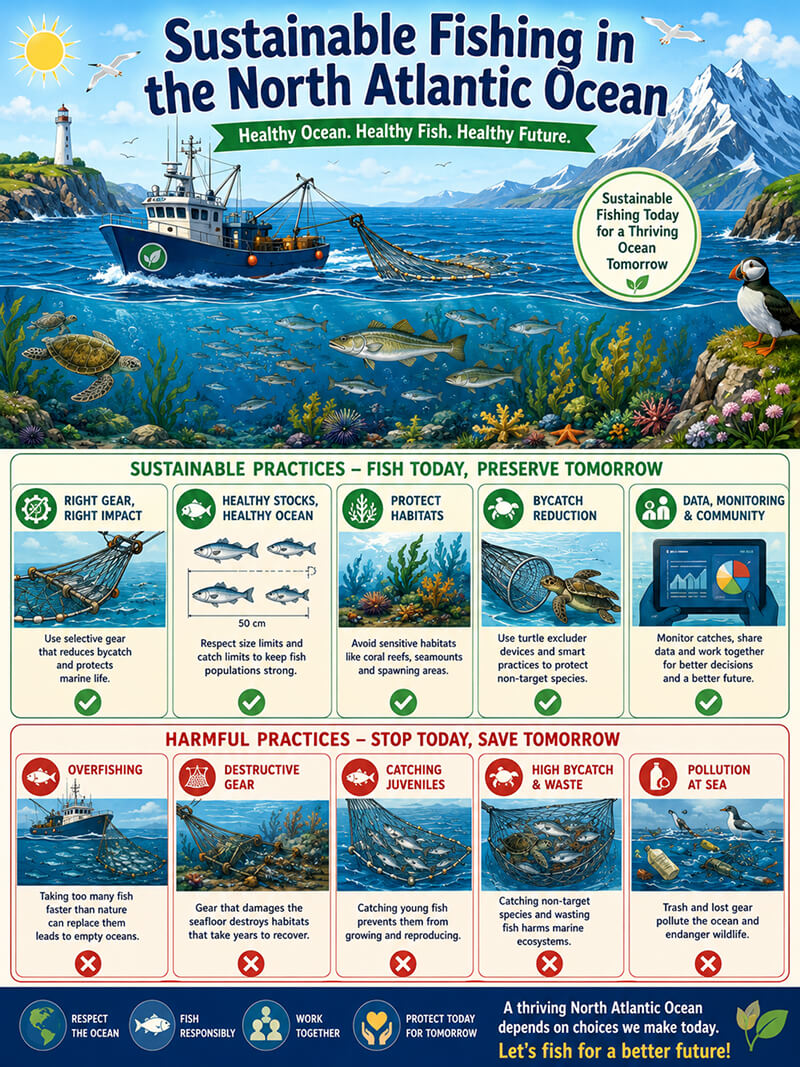
33. Sustainable Fishing in the North Atlantic Ocean
Students investigate sustainable fisheries, overfishing, bottom trawling, bycatch and aquaculture in the North Atlantic. VR and digital simulations support marine ecosystem analysis, fisheries management decisions and responsible seafood awareness.
VR module recommended
- Between Ropes and Tides: An Immersive Journey to a Mussel Farm
Subjects involved
- Biology & Geology (marine ecosystems, biodiversity, sustainable fishing practices)
- Physics & Chemistry (ocean currents, water pollution, food chains, energy consumption in fisheries)
- Maths (analysis of fish stock data, statistics, graphs, population modeling)
- Technology / ICT (VR simulations, digital marine mapping, AI monitoring systems)
- Geography & Social Sciences (economic impact of fisheries, coastal communities, European fishing policies)
- Language & Arts (marine conservation campaigns, environmental storytelling, infographic creation)